Your Cart is Empty
At 7eye, we care about long term eye health of all our customers. The following post isn't something we normally post but we thought it's important to share.
Improve Your Vision with One Simple Daily Exercise: Near–Far Focusing
If you’re looking for a natural way to improve your vision, reduce eye strain, and support long-term eye health, the Near–Far Focus Exercise is one of the most effective techniques you can add to your routine. This simple activity is widely used in vision therapy and can be especially helpful for people dealing with dry eye symptoms, screen fatigue, or difficulty maintaining focus.
How to Do the Near–Far Focus Exercise (Vision Therapy Technique)
1. Cover one eye to work each eye individually.
2. Hold your finger, pen, or pencil at arm’s length.
3. Slowly bring the object toward your eyes until it becomes slightly blurry.
4. Stop and refocus until the image becomes clear. Hold for 5 seconds.
o This activates the muscles responsible for near focus and helps reduce eye fatigue.
5. Look at something far in the distance, letting your eyes relax.
6. Hold this relaxed, distant focus for 5 seconds.
7. Repeat this near–far cycle for an equal amount of time on each eye.
By alternating between near and far vision, you stimulate and relax the internal focusing muscles. This improves visual flexibility, reduces eye strain, and helps counteract the stress caused by long hours of screen time.
How This Exercise Helps with Dry Eye Symptoms
While the Near–Far Focus Activity doesn’t directly treat dry eye, it can help with screen-related dry eye discomfort by encouraging better blinking and reducing prolonged “staring” that worsens dryness. Many people with evaporative dry eye, meibomian gland dysfunction (MGD), or chronic dry eye experience relief when they incorporate focusing breaks into their day.
This exercise supports:
· Less blurry vision from dryness
· Better comfort during screen use
· Reduced visual fatigue and burning eye symptoms
· More balanced focusing effort for people with light sensitivity or dry eye flare-ups
Adding this simple focusing drill can help your eyes feel more comfortable and resilient—especially if you struggle with dry eye disease, digital eye strain, or environmental dryness.
Guest Speaker on Optimal Health: Dr Bryce Appelbaum

Comments will be approved before showing up.
If you’re looking for a natural way to improve your vision, reduce eye strain, and support long-term eye health, the Near–Far Focus Exercise is one of the most effective techniques you can add to your routine.
Light sensitivity, or photophobia, is more than just a nuisance—it can significantly affect daily life. People with dry eye, migraines, post-surgery eye conditions, or certain autoimmune disorders often struggle with harsh lighting, glare, or outdoor sunlight.
Depending on the severity of photosensitivity, 7eye offers light sensitive customers 4 different extra dark lens options in category 4 and category 5.
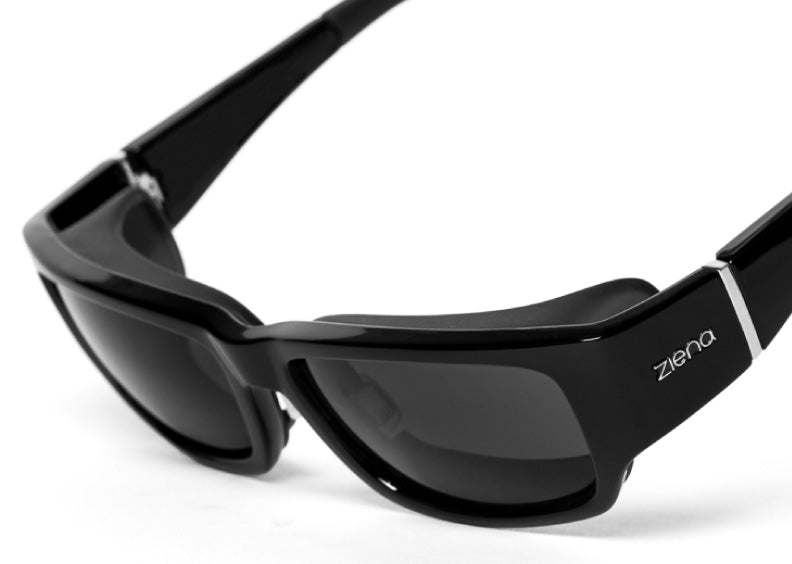
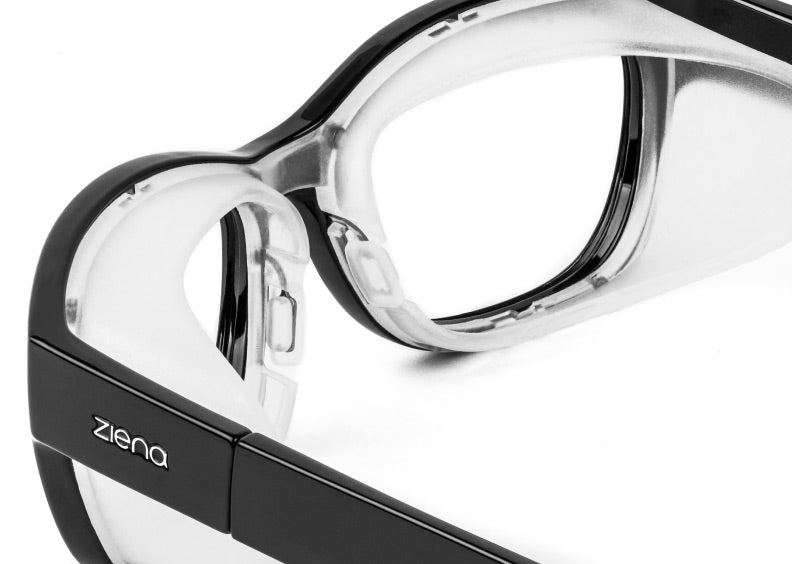
This tiered model gives flexibility depending on context — office work, outdoor activities, driving, extreme photosensitivity — which makes Ziena’s collection suitable for a wide range of needs.
AirShield vs. Ziena: Which Dry Eye Eyewear is Right for You?
Choosing the Right Dry Eye Eyewear
For people suffering from dry eye, light sensitivity, or chronic irritation, protective eyewear can be life-changing. Two of the most recommended options in the market are 7eye AirShield and Ziena moisture chamber glasses. But which one is right for you? This guide compares the two so you can make an informed choice.